PAKSE: WHERE IT ALL BEGAN
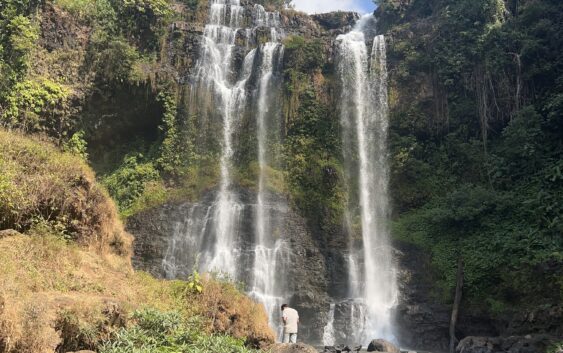

After more than 25 years since my last visit, I returned to the place where my life began — Donkho Island, PhonGnarm – ໂພນງາມ (formerly known as Kokarmtap – ໂກກຂາມເທບ), and the wider Champasak region. I was born here, educated here in my earliest years, and shaped by the rhythms of this land long before I understood their meaning. Coming back felt like opening a long‑sealed chapter of my own story.
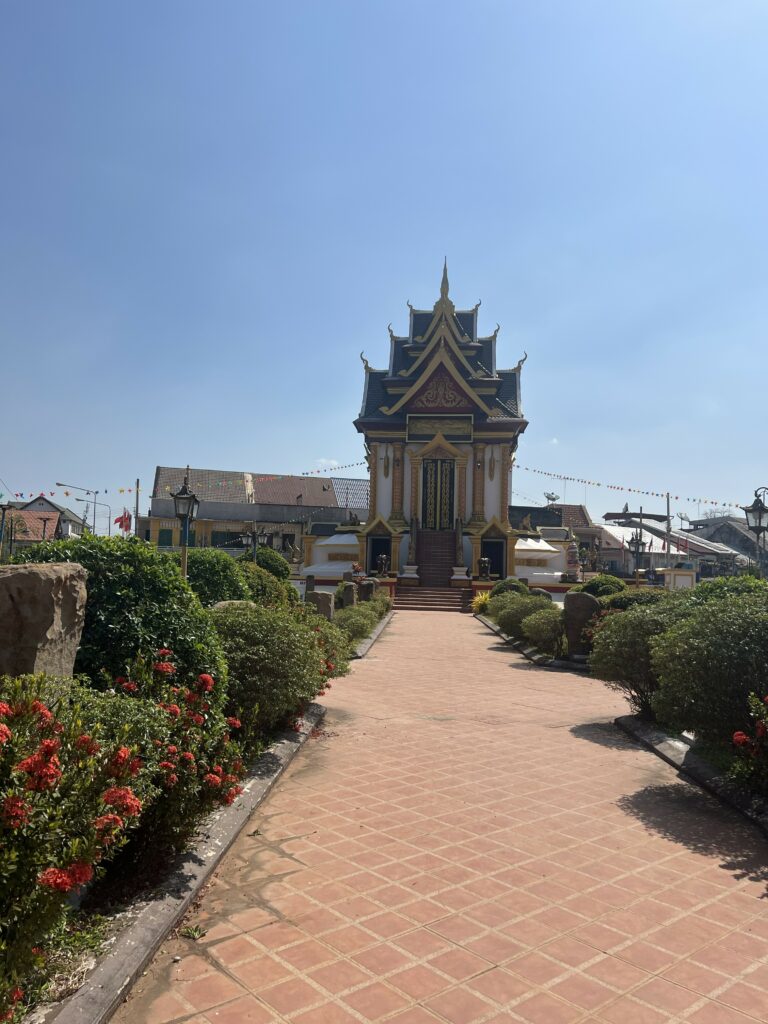
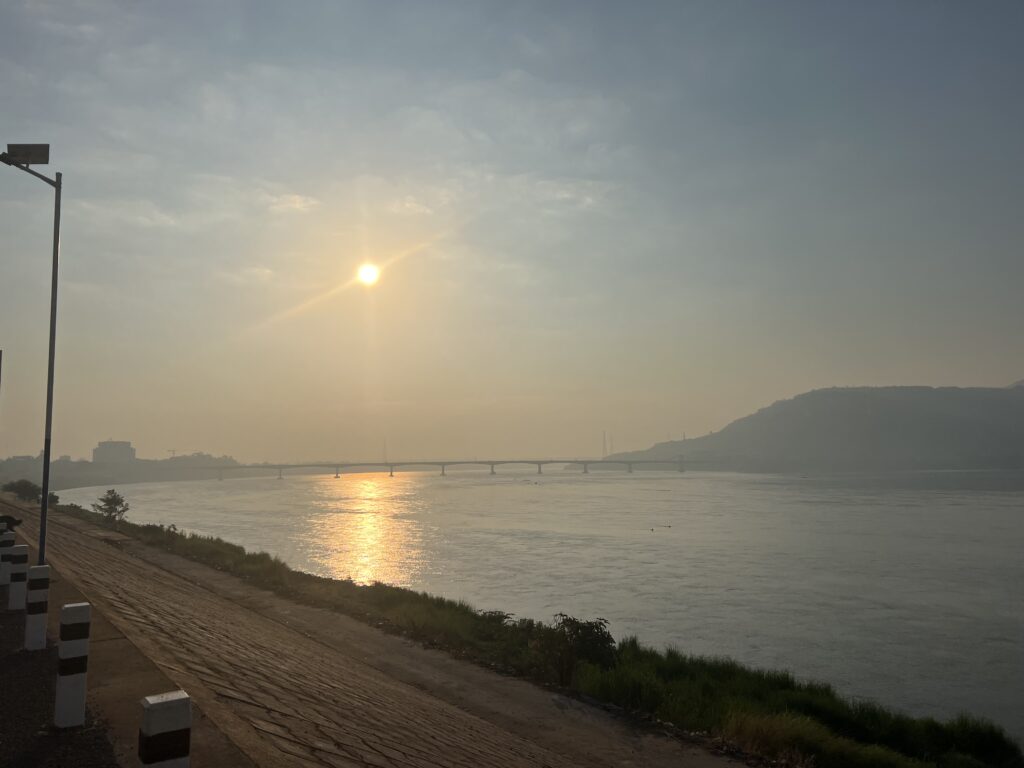
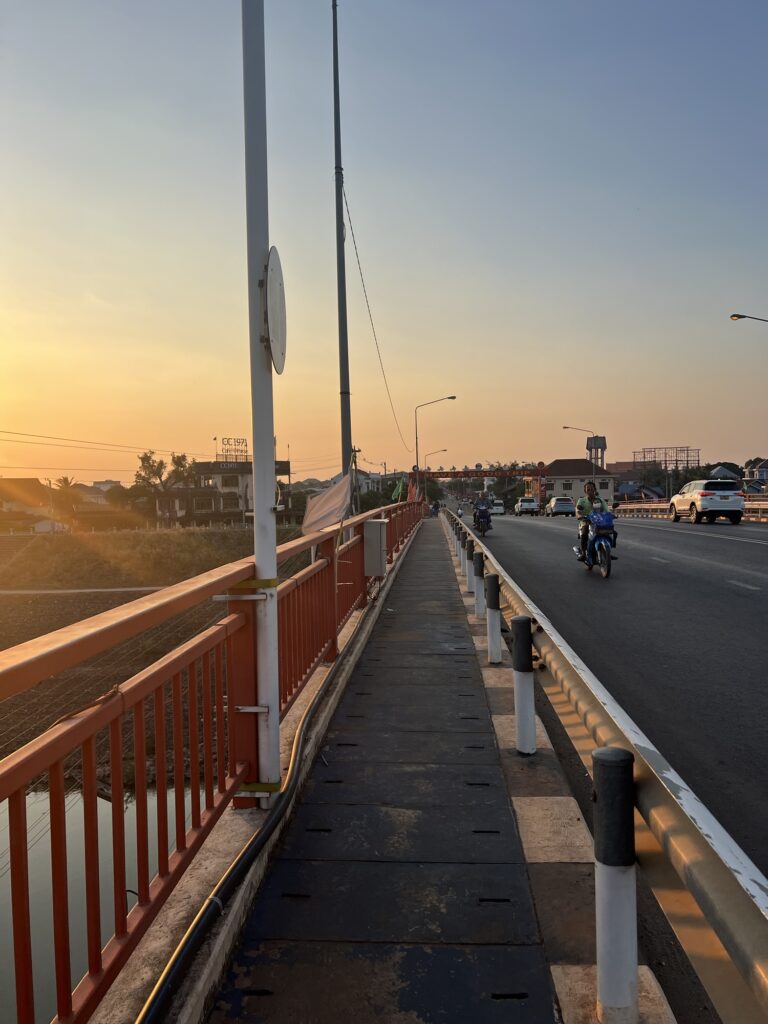
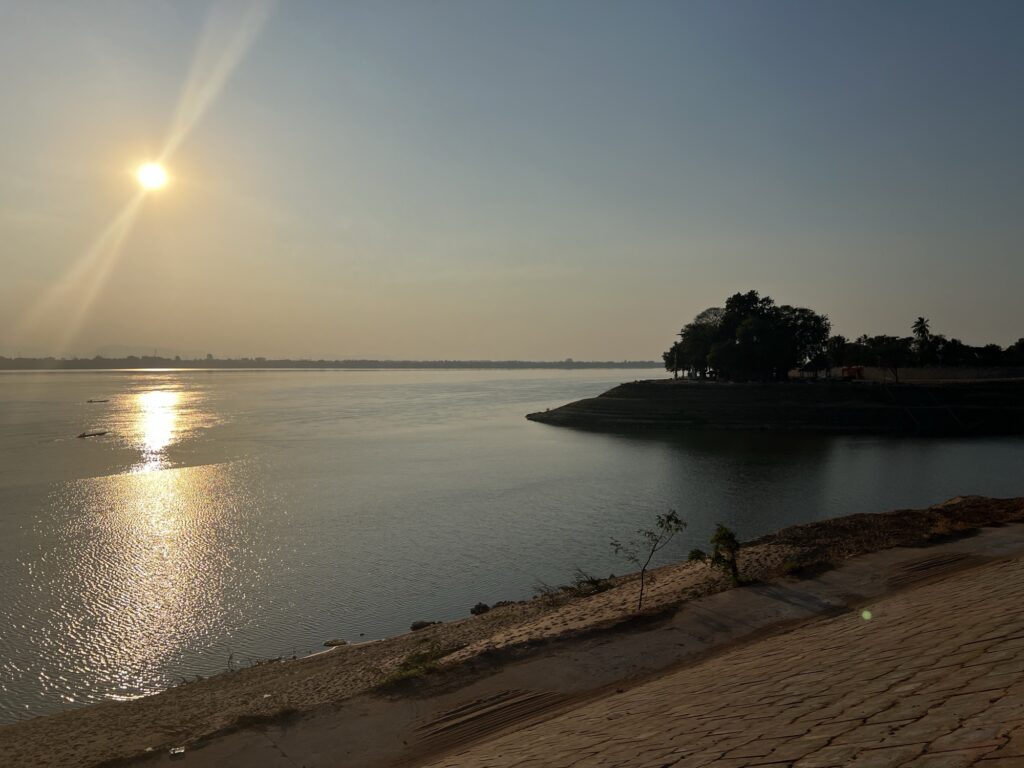
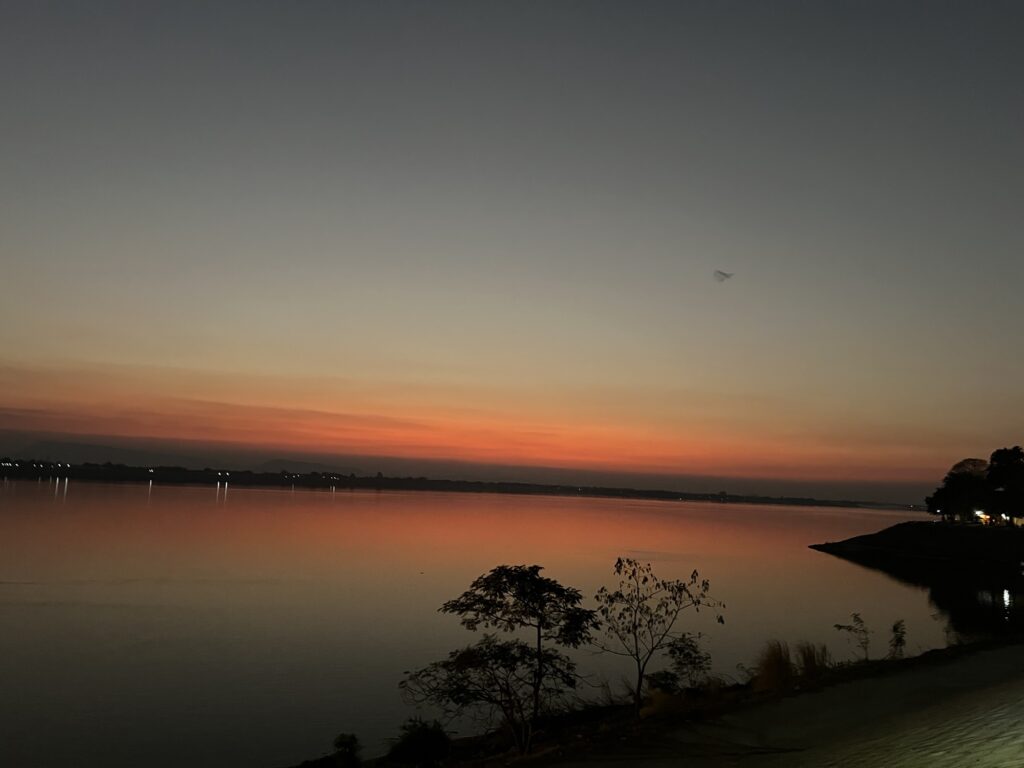
With less than a week in town, I spent my first day simply walking — letting the city breathe around me. I soaked in the atmosphere, the familiar scent of the streets, the cool breeze drifting off the Mekong, and the fragments of childhood memories that surfaced with every step. Much has changed since I last stood here, and almost all of it for the better.
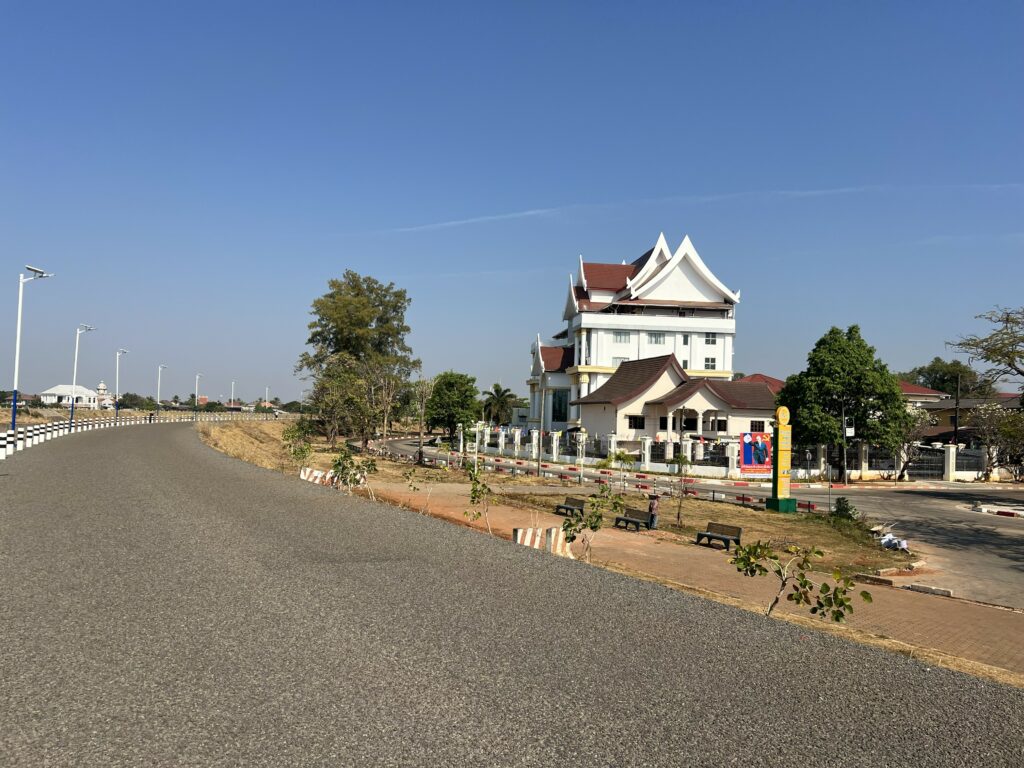
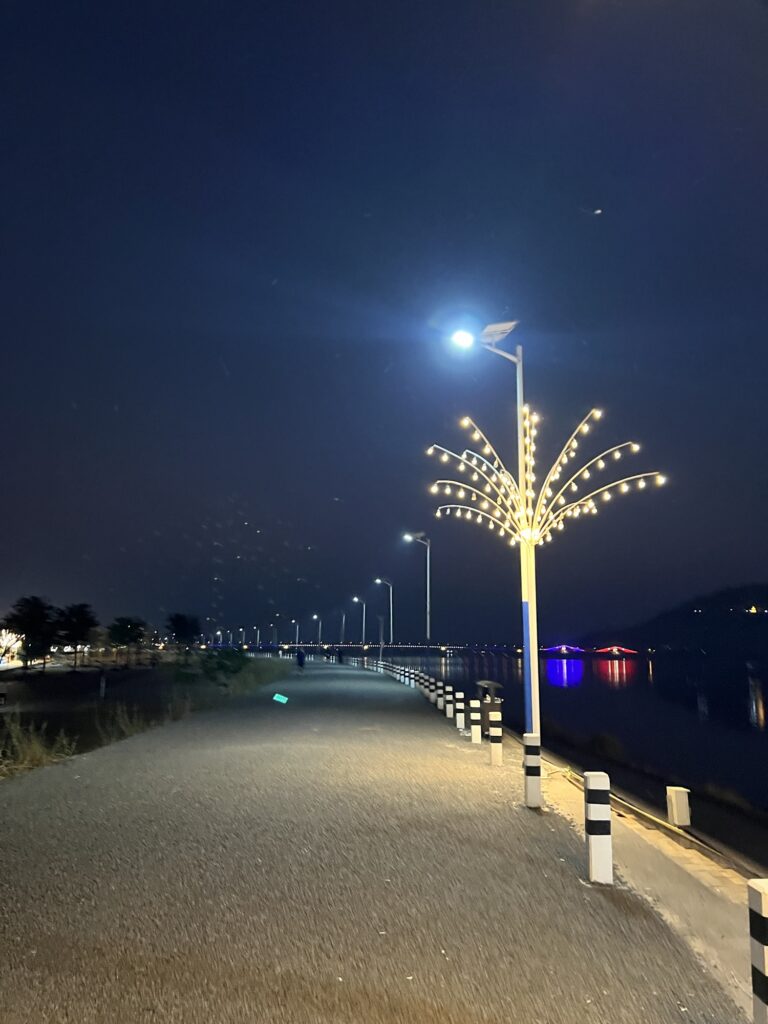
Pakse remains small in population and skyline, but it has grown into a neat, tidy, and quietly organised city. You can see the effort to make it more welcoming and visually appealing. Still, the city centre could benefit from a little more attention. As the business hub of the southern provinces, Pakse feels busy by its own standards — and it has the potential to attract even more visitors.
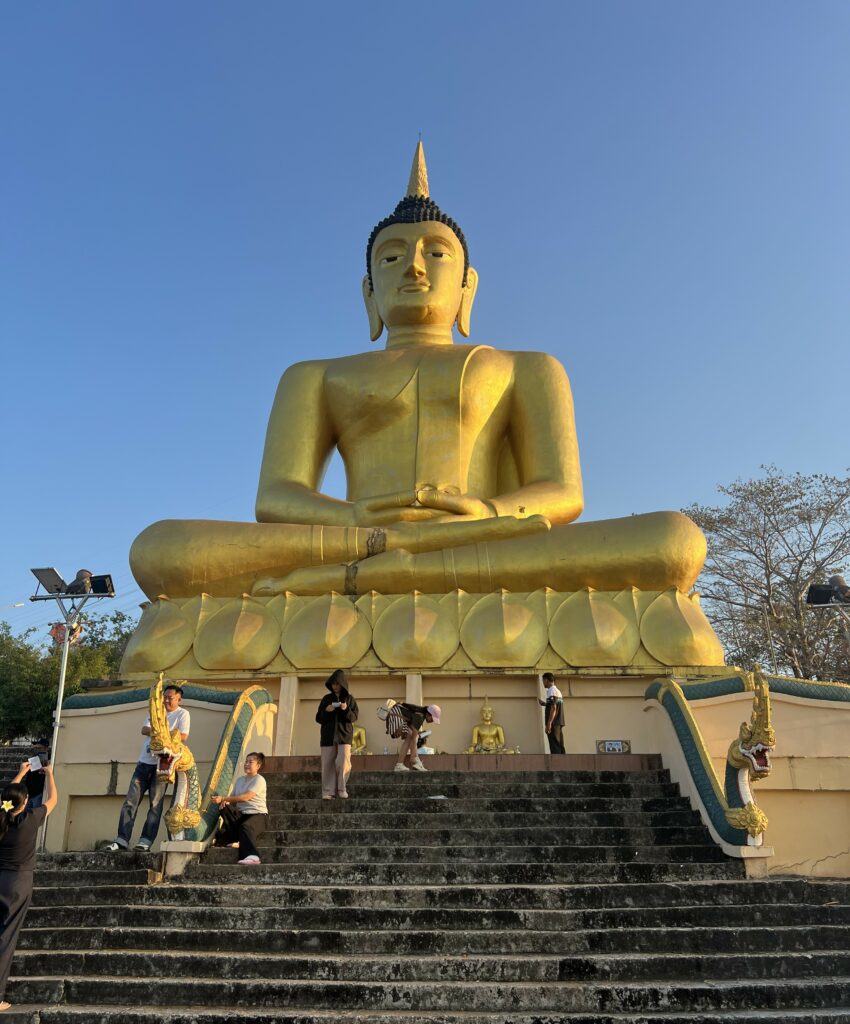
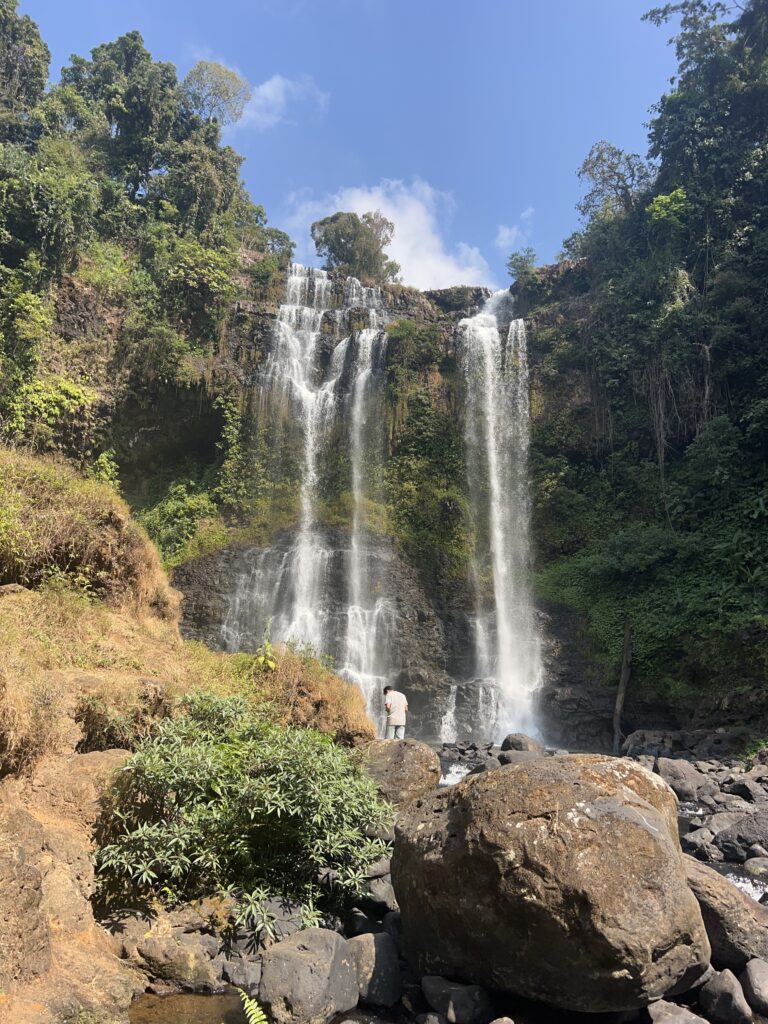
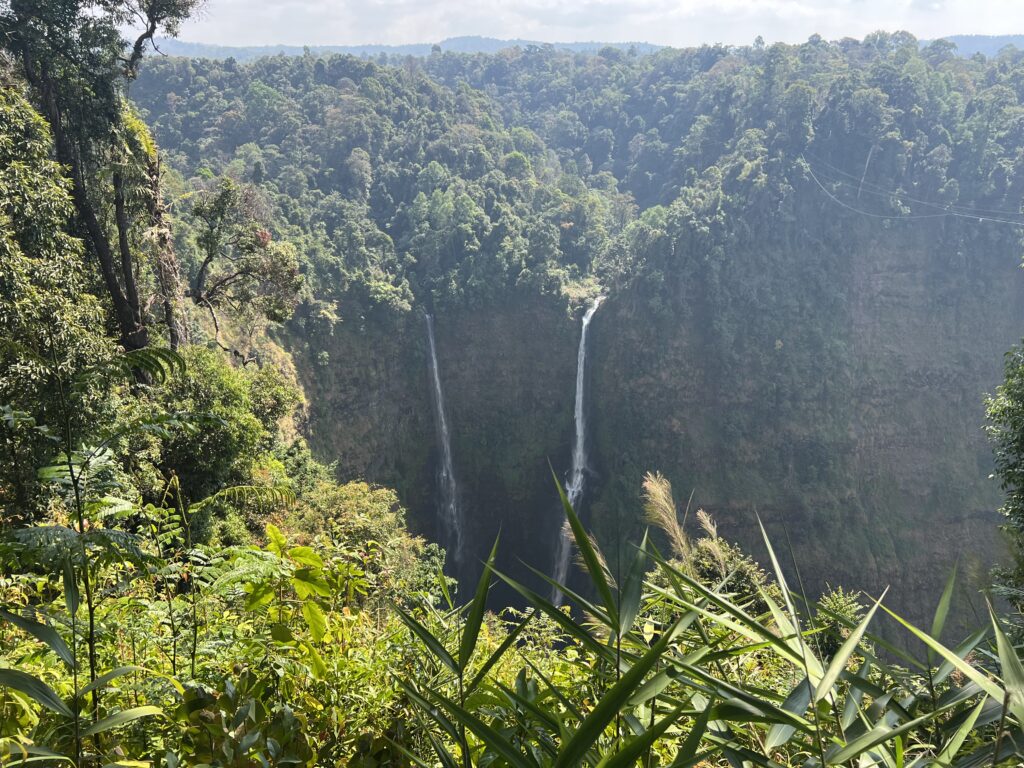
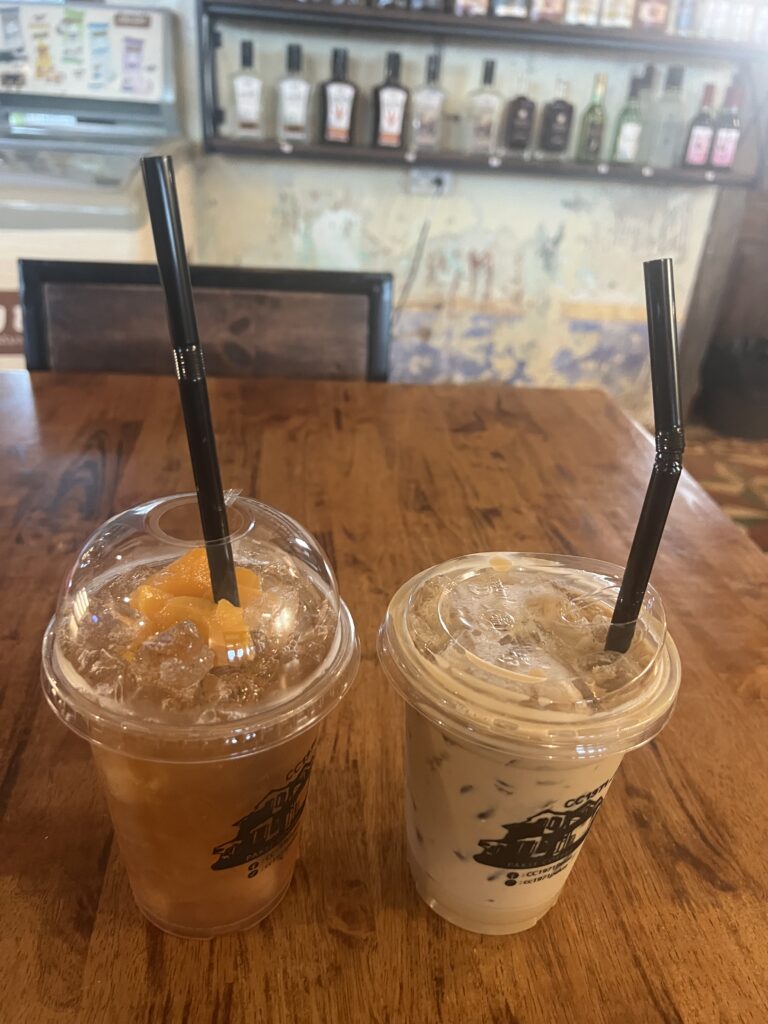
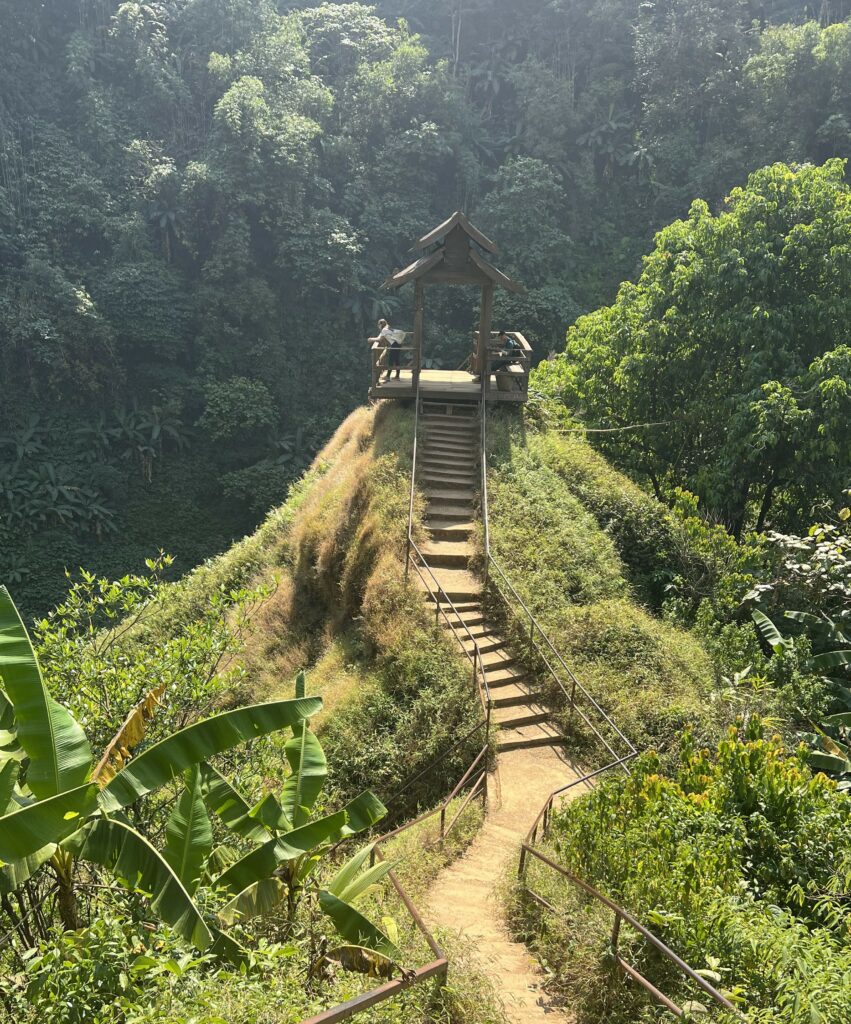
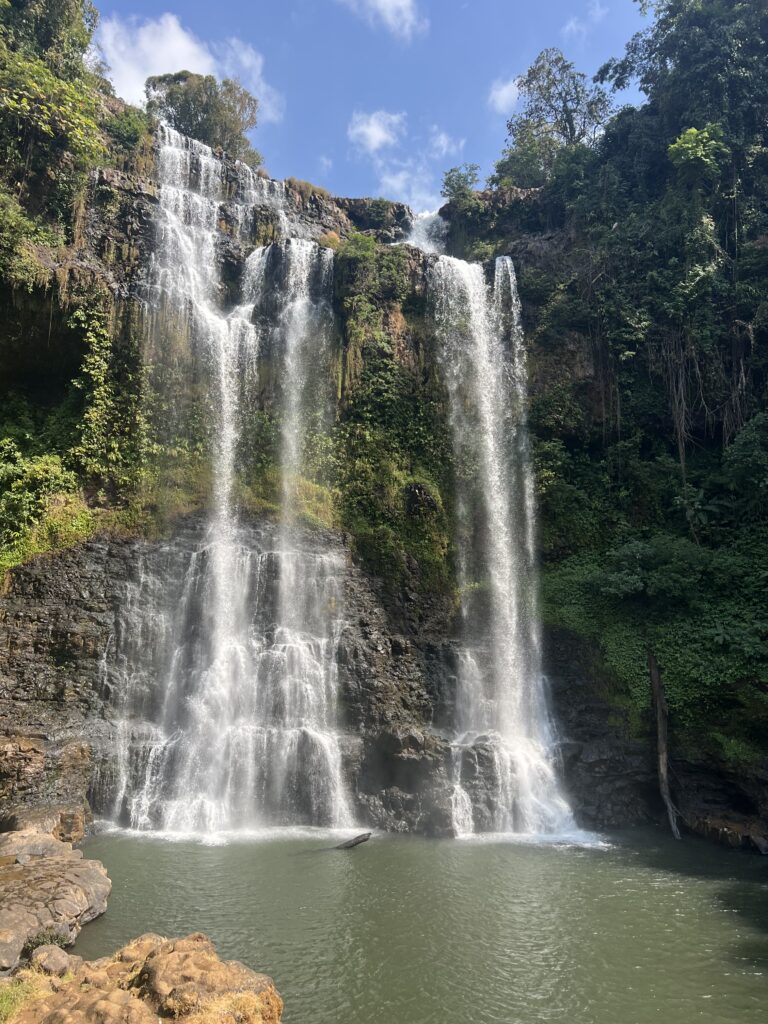
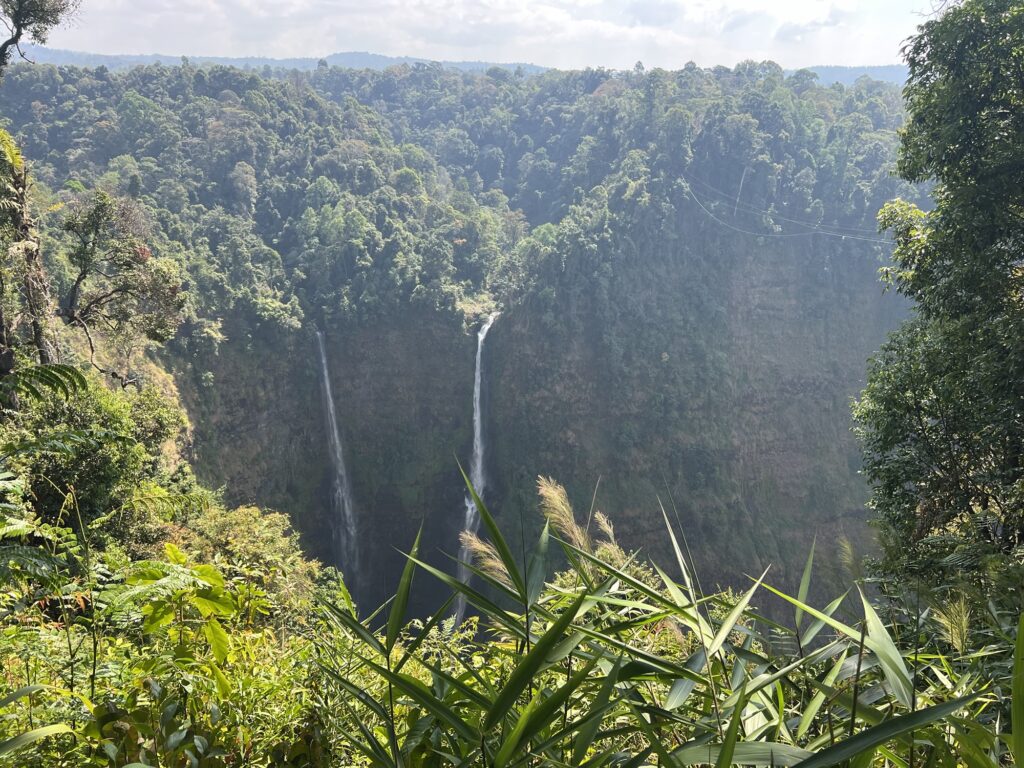
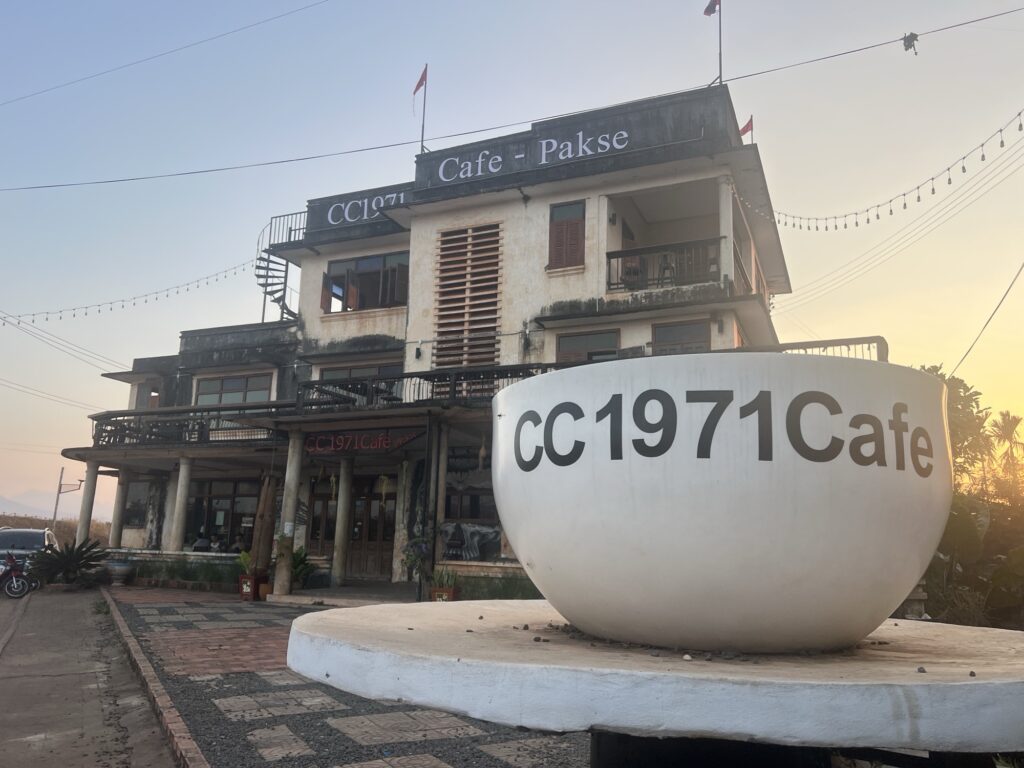
Tourists already come from around the world to explore Champasak: the cool highlands of Paksong, the relaxed pace of Pakse city, and the southernmost islands of Si Phan Don — Don Det, Don Khone, and the rest of the 4000 islands scattered like jewels along the Mekong. The region offers everything: great restaurants, a thriving coffee culture, trekking, river boating, rafting, zip‑lining, or simply unwinding in a city that moves at a gentle, unhurried pace.
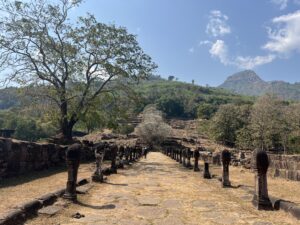
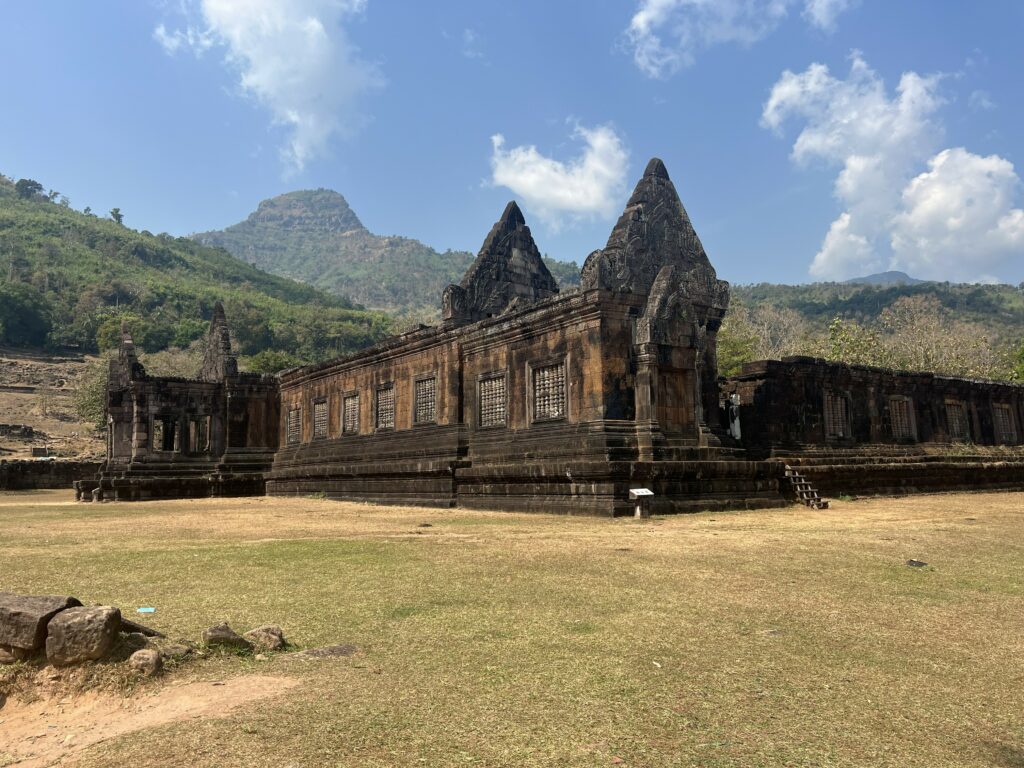
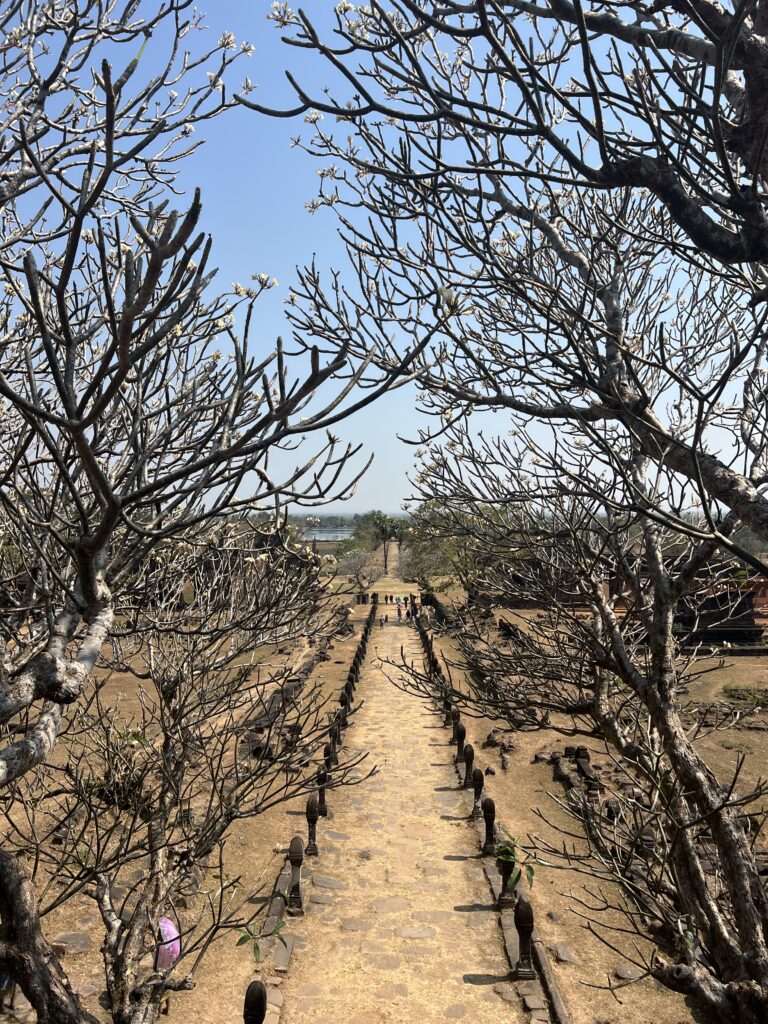
One of Laos’ UNESCO World Heritage sites, Vat Phou, sits just 45 minutes from Pakse. The ride there is stunning — mountains on one side, the Mekong on the other — a peaceful, beautiful journey that feels almost sacred.
Did you know the very first hydropower dam ever built in Laos is right here in Champasak? It’s called the Xelabam Hydropower Plant, a quiet but historic landmark on the Xe Don River, about 30 kilometres upstream from where the river meets the Mekong in Pakse. Long before the big modern projects arrived, Xelabam was the country’s first step into hydropower, and it still operates today. Champasak has since become home to several major hydropower developments, but this modest plant remains the one that started it all.
Infrastructure still needs improvement, and better roads and transport options would make a huge difference. But Pakse already has excellent hotels, and the affordability is unbelievable: a four‑star stay with breakfast can cost as little as AUD $65. Go further south and prices drop even more.
Most tourists hire motorcycles to explore, and I did the same. After so many years away, riding through Champasak felt liberating. The region is diverse: Paksong is green and cool, while the southern areas are dry and humid. The northern side of town can be hot, but the river breeze softens everything. I loved every moment of it.
Travel to Champasak is easy — direct flights from Vientiane and neighbouring countries, or border crossings. I chose the overnight sleeping bus from Vientiane, an eight‑hour journey. If you want your own space, you may need to buy two seats, but it suited me perfectly.
Returning after 25 years reminded me how deeply this place is woven into who I am. Pakse is unique — a blend of ethnic groups, landscapes, and lifestyles that create a character all its own. I loved being back, and I know I’ll return again.
If you’re in Laos, go south. Go to Pakse. Let it surprise you the way it surprised me.
ROCK SONGS COLLECTION
- ສູ້ເພື່ອຄົນດີ
- ຄວາມຝັນທີ່ເປັນຈິງ
- ເມື່ອຍໃຈເຈົ້າ
- ທົນບໍ່ໄຫວ
- ວຸ້ນວາຍ
- ອ້າຍຮັກເຈົ້າ
- ໜ້າອັດສະຈັນ
- ຄູ່ຂັວນ My Girl
- ຢາກກອດເຈົ້າໄວ້
- ທຸກຊີ່ງເພື່ອຮັກ
- ທົນບໍ່ໄຫວອີກແລ້ວ
- ບ້າເພາະຮັກ
-
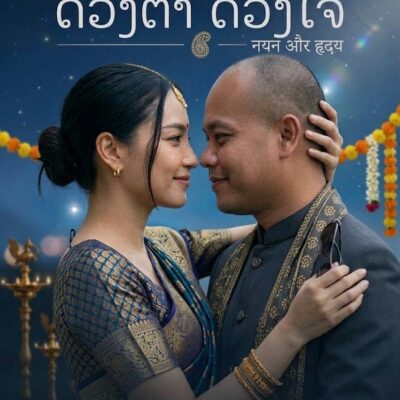 ດວງຕາ ດວງໃຈ$2.99
 -
 ວັນໃໝ່$2.99
 -
 ເຄີ່ງທາງຊີວິດ$2.99
 -
 ເວລາຍັງມີໄຟ$2.99
 -
Product on sale
 ສູ້ສູ້$1.99
 -
Product on sale
 ເຈົ້າຊູ້ຫລາຍ$1.99
 -
 ເອົາຫົວໃຈໄປໄດ້ເລີຍ$2.99
 -
 ຄັ້ງສຸດທ້າຍ$2.99