DRAINING THE RESOURCES


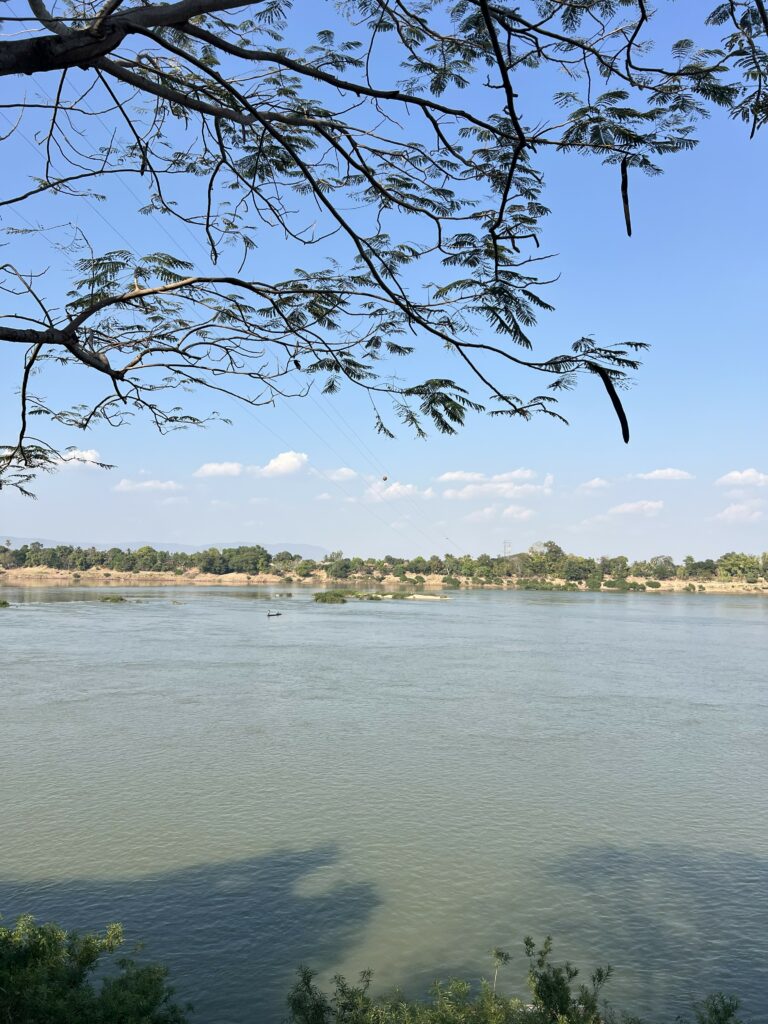
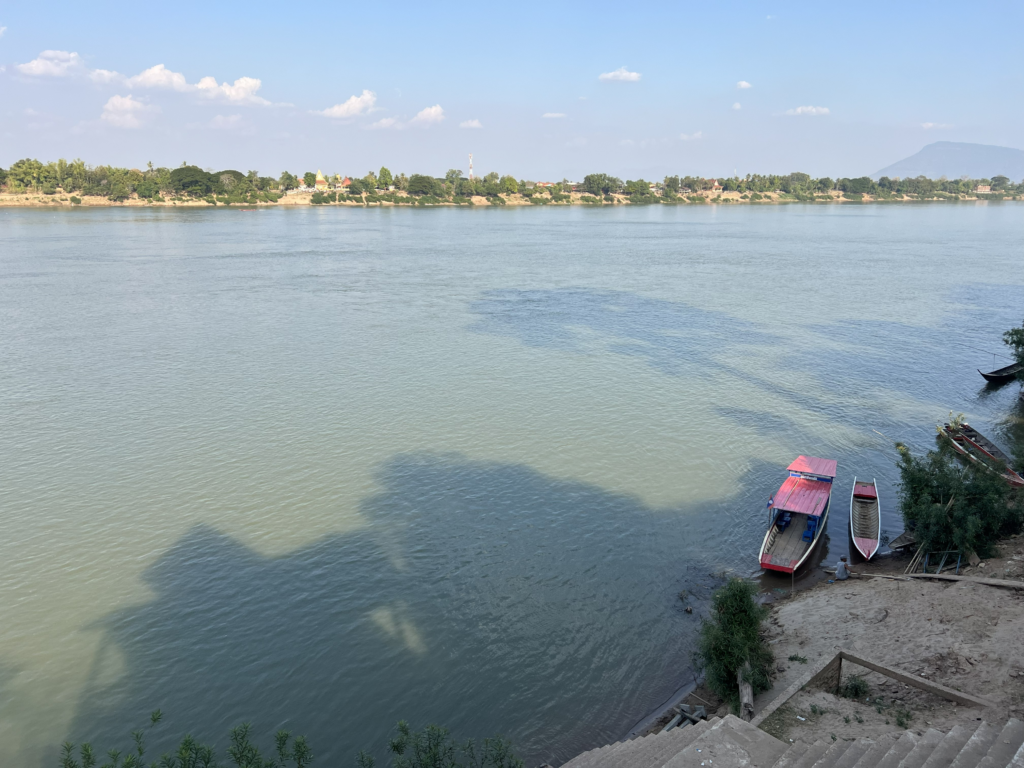
Pakse, the capital of Champasak and the place where I was born, welcomed me back this January after many years away. The city has changed in many positive ways — new roads, better schools, improved hospitals, and growing investment. On the surface, it looks like a province moving forward.
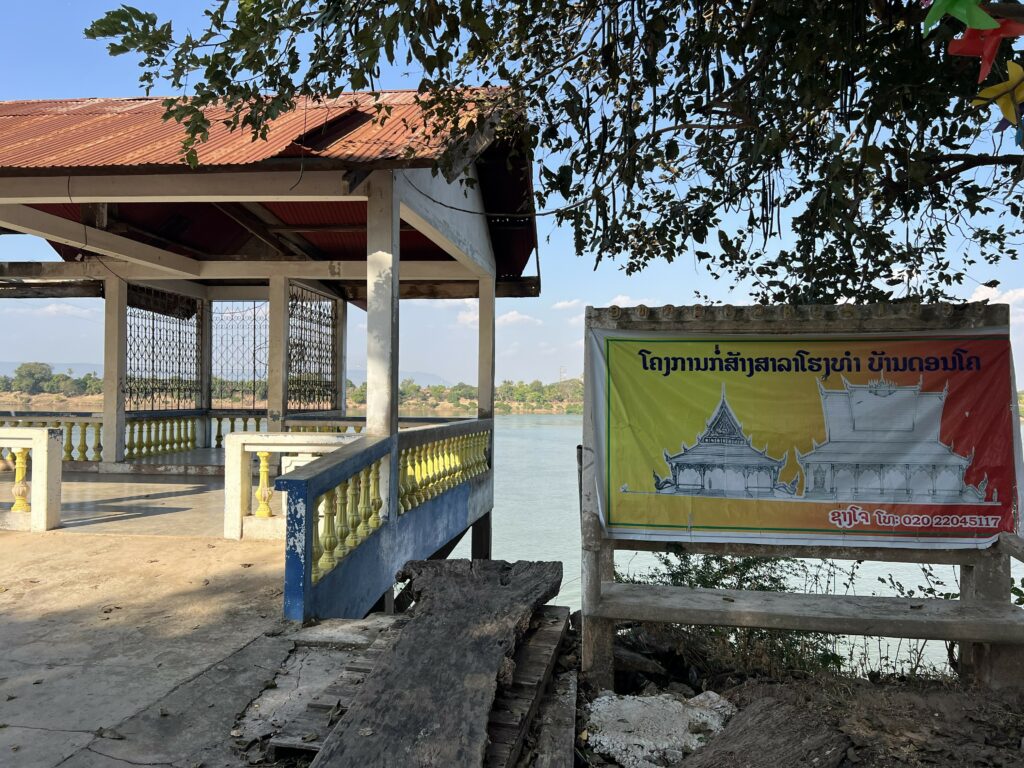
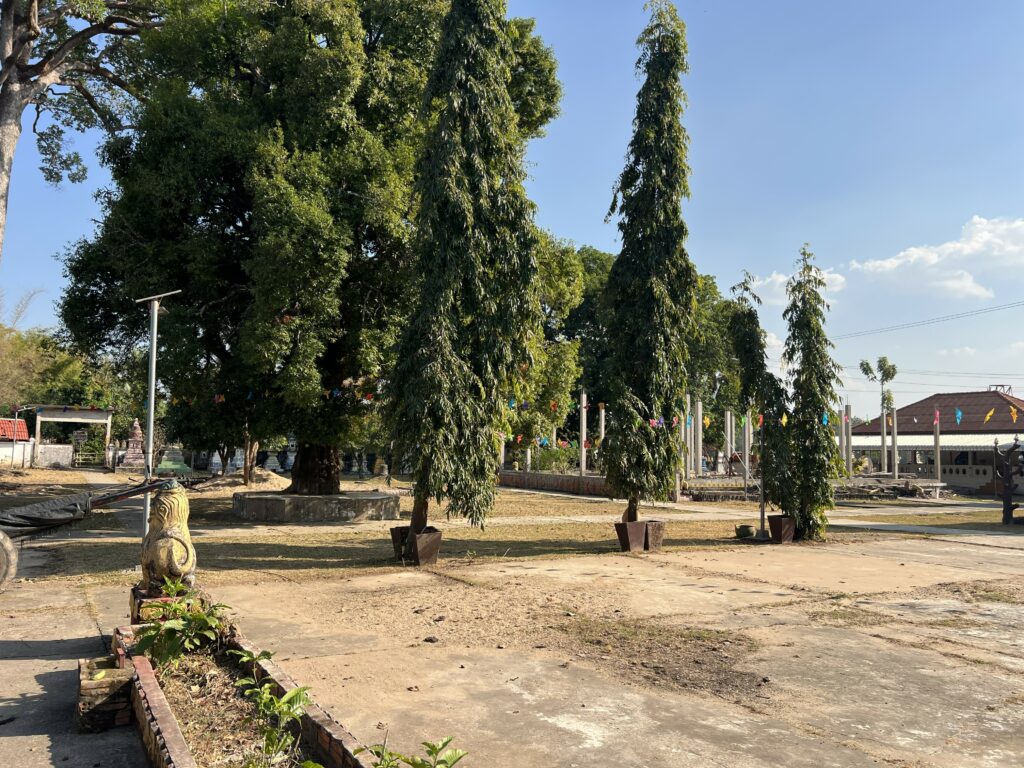
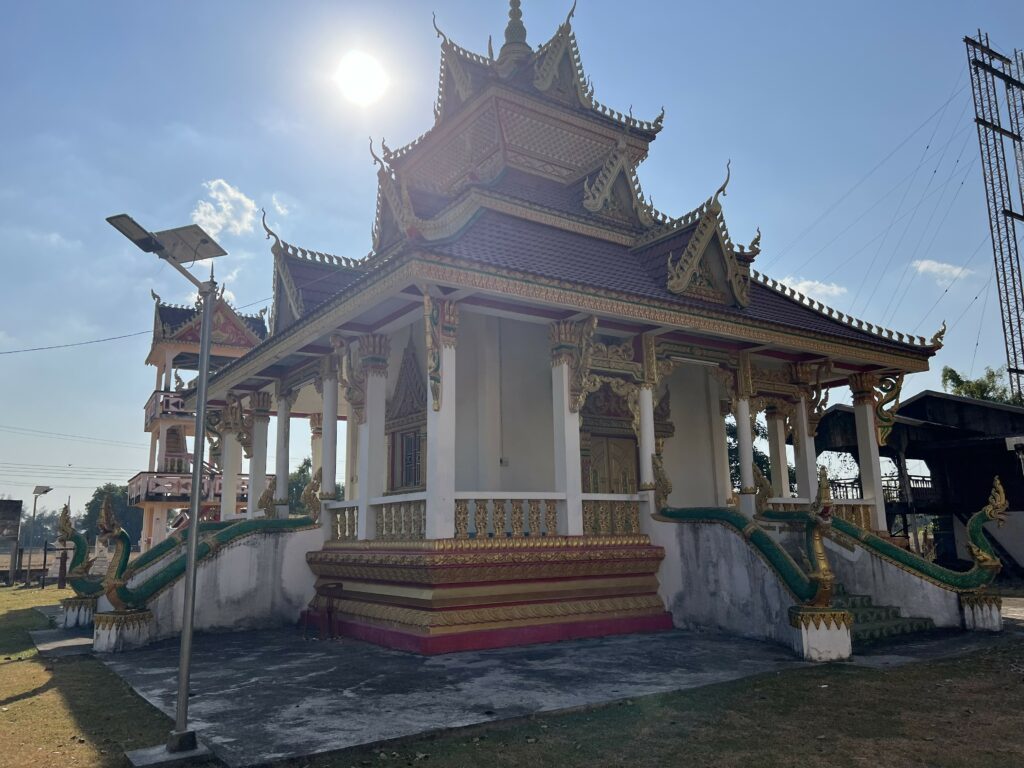
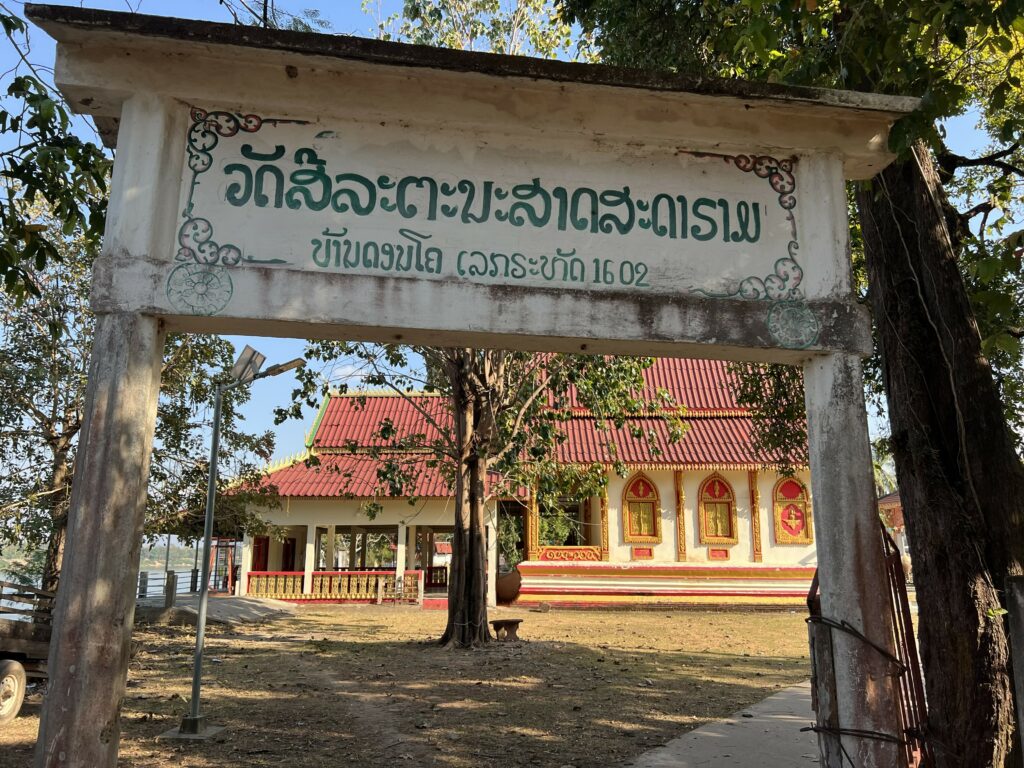
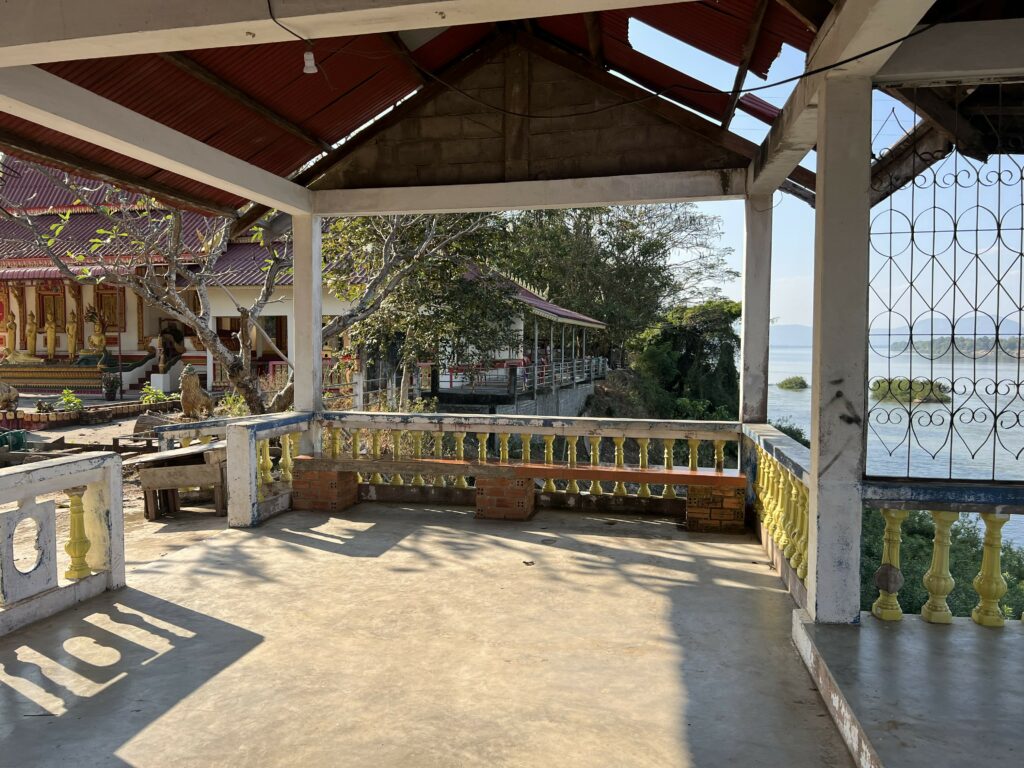
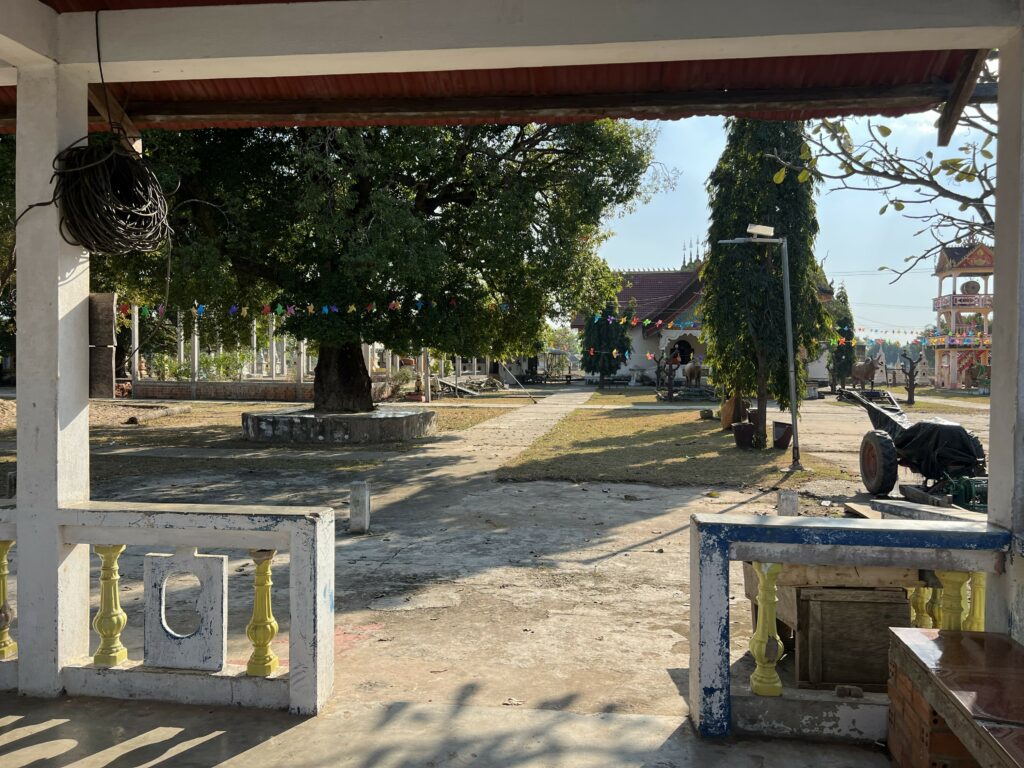
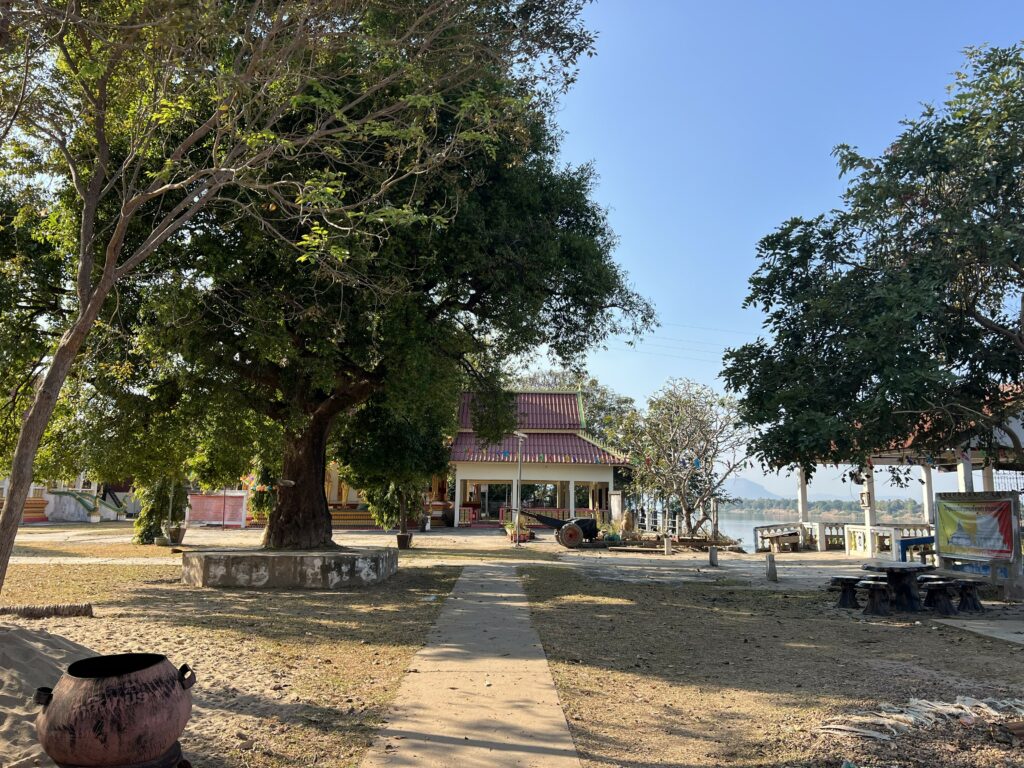
But when I visited my villages, the silence was impossible to ignore. The lively, bustling communities I remembered are no longer the same. Many houses are empty. Fewer children play outside. Young people and even older villagers have left in large numbers, searching for better-paying jobs in Vientiane or abroad.
This is the reality facing Laos today: we are developing our infrastructure, but losing our people.
For years, the government has invested billions in education, health, and transport. Yet once students finish school — or sometimes even before — they choose to work abroad. The reason is simple: wages overseas are far higher than what most jobs in Laos can offer. Even though job opportunities exist at home, the pay gap makes the decision easy for many families.
As a result, schools and universities across the country are struggling to fill classrooms. Villages are losing their youth. And the public sector may soon face shortages of skilled workers, even though the country has invested heavily in educating them.
If this trend continues, Laos risks draining its most important national resource — its people. We may build roads, bridges, and modern facilities, but without enough workers, teachers, nurses, and professionals, development cannot be sustained.
The challenge now is clear: How do we create a future where young Laotians feel they can build a life at home?
This is a question that deserves national attention before the silence in our villages becomes permanent.